


Ticks Are Evil: How to Keep These Tiny Bloodsuckers Off You in North Florida
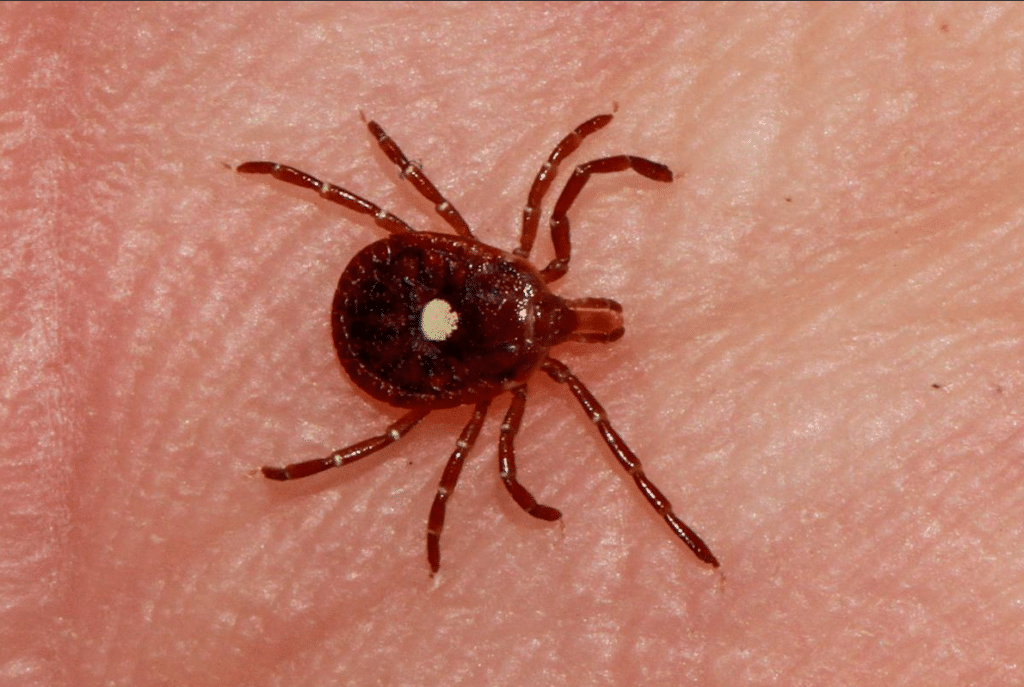
There are plenty of things to love about living in Tallahassee: the oak trees, hiking trails, gardens, parks and the fact that we can spend a ridiculous amount of the year outside.
Then there are ticks.
Ticks contribute absolutely nothing to the outdoor experience except making you suspicious of every freckle on your body after you’ve been in the yard.
And yes, we have plenty of them. Florida ticks can be active throughout the year, and according to UF/IFAS, the lone star tick is the most common tick that bites people in Florida. We also have American dog ticks, Gulf Coast ticks, blacklegged ticks and brown dog ticks.
So here’s how to enjoy the outdoors around Tallahassee without accidentally bringing home a tiny eight-legged vampire.
Where Are These Little Monsters Hiding?
Ticks aren’t waiting to leap out of trees like tiny paratroopers.
They generally hang around grass, brush, leaf litter and wooded areas, waiting for a person or animal to brush against them. And unfortunately, you don’t have to hike the Appalachian Trail to encounter one. Your own backyard can do the job just fine.
Around North Florida, it’s worth checking for ticks after gardening, hiking, hunting, camping, walking through tall grass, clearing brush, playing in wooded areas or letting the dog wander through an overgrown part of the yard.
The Surprisingly Effective Sock Trick
Ready to look deeply unfashionable?
Tuck your pants into your socks.
UF/IFAS recommends covering exposed skin and tucking clothing together when you’re in tick habitat. Pulling your socks over your pant legs gives ticks fewer easy entrances and makes them crawl farther before finding skin, which gives you a better chance of spotting them.
Light-colored clothing makes the little creeps easier to see, too.
Will you look cool? No.
Will you care when everyone else is checking themselves for ticks? Also no.
Treat Your Clothes, Not Just Yourself
This is one of the better tick tricks people don’t always know about.
The CDC recommends using products containing 0.5% permethrin on clothing and outdoor gear. It can be used on things like boots, pants and camping gear and may remain protective through multiple washings depending on the product.
Important: Permethrin is for clothing and gear — not your skin.
For exposed skin, the CDC recommends EPA-registered repellents containing ingredients such as DEET, picaridin, IR3535, oil of lemon eucalyptus/PMD or 2-undecanone. Always follow the product directions.
The 10-Minute Dryer Trick
Here’s one I wish more people knew.
After you’ve been somewhere tick-y, don’t just toss your clothes on the bedroom floor.
According to the CDC’s tick-prevention recommendations, if your clothes are dry, you can tumble them in a dryer on high heat for 10 minutes to kill ticks. Damp clothing may require additional time.
If you’re washing the clothes first, use hot water because cold and medium-temperature water may not kill ticks.
In other words: Before the washing machine, think DRYER.
Take the Two-Hour Shower
After gardening, hiking or tromping through the woods, take a shower fairly quickly.
The CDC recommends showering within two hours of coming indoors. It may wash away ticks that haven’t attached yet and gives you an excellent excuse to perform a full tick inspection.
Pay special attention to:
- Under your arms
- Around your ears
- In and around your hair
- Behind your knees
- Around your waist
- Inside your belly button
- Between your legs
Basically anywhere inconvenient.
Try the Lint-Roller Trick
Keep a sticky lint roller near the door or in the car.
Yep, even the CDC suggests considering a lint roller over skin, clothing and gear to pick up unattached ticks that may be difficult to see.
That’s especially useful with tiny ticks and nymphs that can be surprisingly hard to spot.
Roll first. Panic less.
Don’t Forget the Dog
Your dog can essentially become an Uber for ticks.
Ticks can ride indoors on pets and later attach to people, so check pets after they’ve been outside in likely tick habitat. The CDC recommends checking pets for ticks daily and talking with your veterinarian about an appropriate tick-prevention product.
Check around the ears, collar, legs and toes — but don’t assume those are the only places one could be hiding.
Make Your Tallahassee Yard Less Tick-Friendly
You don’t need to turn your backyard into a parking lot.
But ticks like shady, humid environments. UF/IFAS recommends reducing tick habitat around Florida homes by managing brush, tall vegetation and other areas where ticks thrive.
Removing leaf litter, keeping grass under control and cutting back overgrown vegetation can help make your yard less welcoming.
Pay particular attention to the forgotten edges of the yard: fence lines, wooded borders, overgrown paths and piles of leaves.
That’s tick suburbia.
Wait…A Tick Bite Can Make You Allergic to Meat?
Here’s where ticks somehow manage to get even weirder.
The lone star tick has been associated with alpha-gal syndrome, an allergy to a sugar molecule called alpha-gal that’s found in most mammals.
The CDC says alpha-gal syndrome can develop after certain tick bites and can cause allergic reactions after eating products containing alpha-gal.
That can include foods such as beef, pork and lamb, although reactions and triggers vary from person to person.
Yes. A tick bite can potentially interfere with your hamburger.
As if we needed another reason to hate them.
There’s a Tick Attached to Me. NOW WHAT?
First rule:
Don’t torture it.
Forget the old tricks involving petroleum jelly, nail polish, matches, essential oils or trying to make the tick voluntarily surrender.
The CDC recommends removing an attached tick as soon as possible rather than trying to make it detach on its own.
Grab a pair of clean, fine-tipped tweezers. Get as close to the skin as possible, grasp the tick and pull straight upward using steady, even pressure.
Don’t twist it. Don’t jerk it. And avoid squeezing the tick’s body if possible.
Afterward, clean your hands and the bite area with soap and water, rubbing alcohol or hand sanitizer.
If part of the tick’s mouth remains and you can’t easily remove it with tweezers, the CDC says you can leave it alone and allow the skin to heal.
And Please Don’t Squish It With Your Fingers
Because apparently ticks needed one final way to be disgusting.
The CDC says don’t crush a tick with your fingers.
Instead, dispose of it by putting it in alcohol, placing it in a sealed container or bag, wrapping it tightly in tape or flushing it down the toilet.
Should You Send the Tick Off for Testing?
Usually, no.
Commercial tick testing sounds reassuring, but the CDC doesn’t recommend using tick-testing results to make medical decisions.
A tick testing positive doesn’t mean it infected you, while a negative result can create false reassurance.
A better move is to pay attention to how you feel afterward.
When a Tick Bite Becomes a Doctor Thing
Most tick encounters won’t turn into a tick-borne illness, but don’t ignore symptoms.
If you develop a rash, fever, headache, fatigue, muscle or joint pain, or other illness in the days or weeks following a tick bite, contact a healthcare provider and tell them when and where the bite likely occurred.
Florida ticks can transmit several illnesses. UF/IFAS has a good overview of Florida ticks and the diseases associated with them if you want to go down that particularly unpleasant rabbit hole.
The Tallahassee Tick Survival Kit
You don’t need much.
Keep fine-tip tweezers, a lint roller and repellent together with your hiking or gardening gear. Treat appropriate outdoor clothing with permethrin according to the label, keep brushy areas of the yard under control, check the dog, hit dry outdoor clothes with high heat, shower after tick-heavy adventures and perform the occasional awkward full-body inspection.
And if you find a tick?
Remove it promptly.
Then feel completely free to hate it.
Because mosquitoes are annoying.
Ticks make it personal.